As a Certified UFIFAS Master Gardener I am always looking for edibles everywhere; weeds, flowers and even the plants that you would be surprised about and not even think that this can be eaten. So when we think about growing food in our gardens, we generally think about fruits, vegetables and herbs. And just to think about flowers that not only for ornament, or for the bees and other wildlife – yes, they can be delicious, while also being packed full of vitamins and minerals, too.
NOTE: I have researched most plants & flowers in the Florida area…my hardiness zone is10b-11ba
https://www.plantmaps.com/hardiness-zones-for-homestead-florida
Edible flowers are the new rage in cuisine
In this article you will learn a little bit about edible flowers that you can eat right out of your garden and use some of the most popular edible flowers that you might find there.
Flower cookery has been traced back to Roman times, and to the Chinese, Middle Eastern, and Indian cultures. Edible flowers were especially popular in the Victorian era during Queen Victoria’s reign.
Today, many restaurant chefs and innovative home cooks garnish their entrees with flower blossoms for a touch of elegance. The secret to success when using edible flowers is to keep the dish simple, do not add to many other flavors that will over power the delicate taste of the flower. Today this nearly lost art is enjoying a revival.
IMPORTANT NOTE: Always make sure that you take the time to carefully explain to children about which things they can eat in your garden, and which they should be sure not to touch.
So ,., please do your research on Edible Flowers before eating them!!!.
There are many traditional edible crops that can be ornamental, and also far more edible ornamentals than you might think
Again…Word to the wise – never eat anything unless you can be absolutely sure that you have identified it correctly.
The list of edible flowers below should give you a good place to get started:
Ornamental Edible Flowers
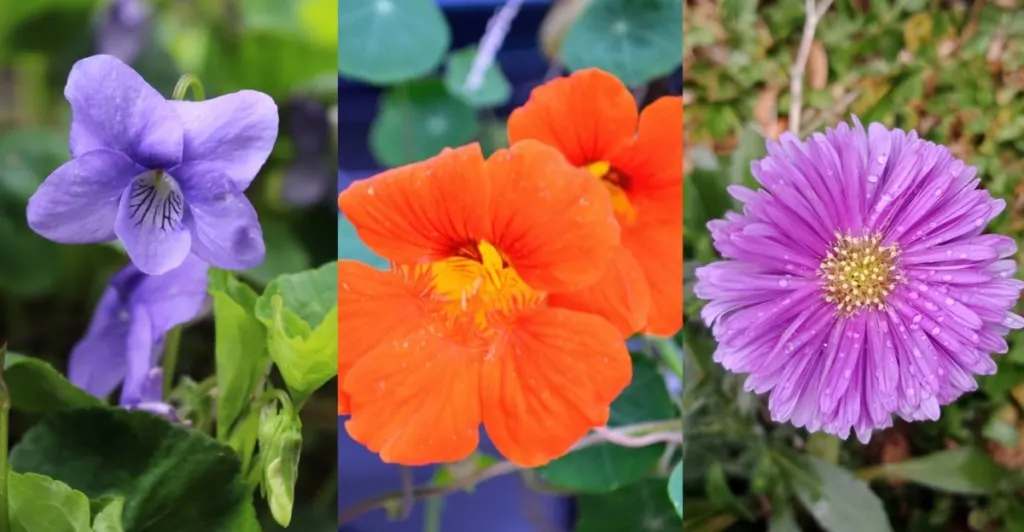
We tend to grow all these flowers as ornamental plants. But they can also find their place on our plates.
In this (far from comprehensive) list, you will discover just how many of the plants we commonly grow in our garden for their appearance also taste great.
1. Nasturtiums
Nasturtiums have a delicious, peppery taste similar to rocket or watercress and their colourful blooms look great in a summer salad.
Both the flowers and the leaves can be used and have a similar taste. You can also use the seeds, pickled, as a caper substitute.
For recipe ideas take a look at 5 Reasons To Grow Nasturtiums & 10 Delicious Nasturtium Recipes.
2. Pansies
Pansies have a mild lettuce-like taste that makes them a popular option for salads.
Of course, they come in a range of hues which look great on the plate and the whole flower can be used, which makes harvesting super easy.
Both the flowers and the leaves can be used and have a similar taste. You can also use the seeds, pickled, as a caper substitute.
For recipe ideas take a look at 5 Reasons To Grow Nasturtiums & 10 Delicious Nasturtium Recipes.
3. Viola/ Violets
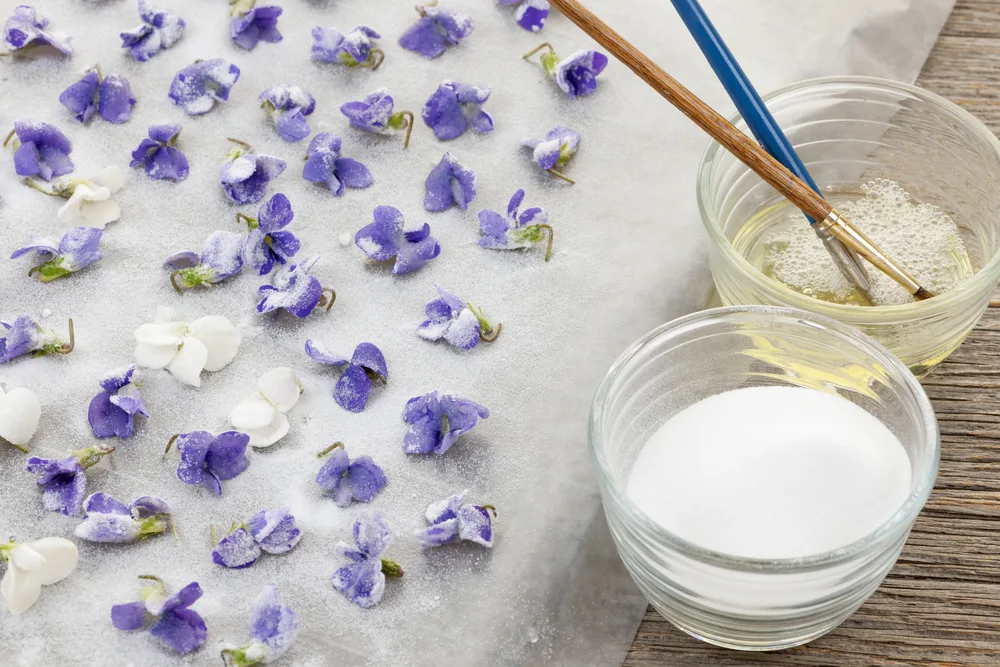
Like pansies, violas and violets have a mild and slightly sweet flavour. Again, the whole flower can be used in salads or sandwiches.
Candied violets also make an excellent cake decoration.
4. Hostas
Hostas are an incredibly useful edible ornamental. You can eat the flowers and, in fact, the whole plant is edible.
Try the stolons in a stir fry in spring, or leaves along with the flowers in a range of raw or cooked recipes.
Here’s our guide to growing – and eating – hostas.
5. Borage
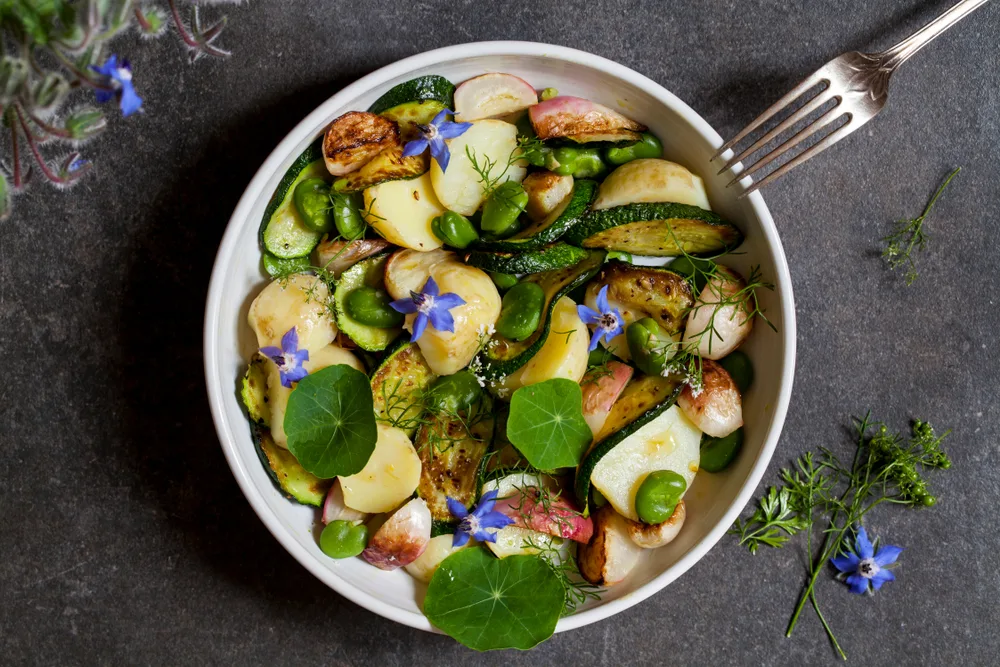
Borage’s pretty blue flowers have a cucumber like taste. They are wonderful for use in summer drinks, and in a range of salads or other recipes.
One cool idea is to freeze borage flowers into ice cubes that can be slipped into your summer drinks.
6. Calendula
The peppery petals of calendula are a fantastic addition to salads, stir fries, pasta meals etc..
Their zesty tang adds piquancy and their colour adds vibrancy to a range of dishes. The petals can be used as an alternative to saffron.
For more recipe ideas take a look at 10 Reasons To Grow Calendula and 15 Calendula Recipes
7. French Marigolds
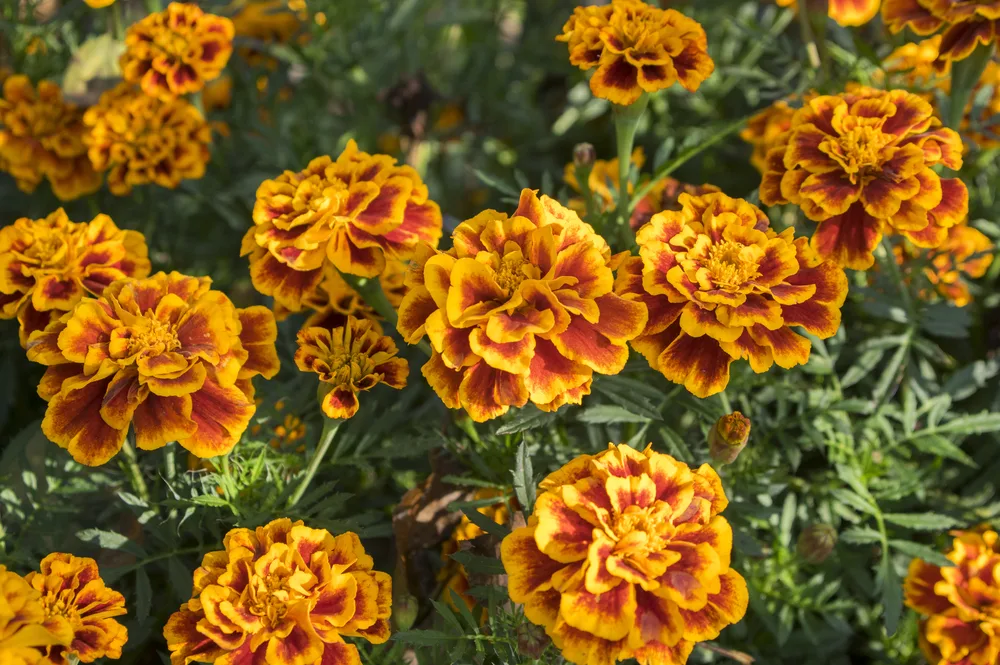
Fresh, zingy and citrus-like, the petals of French (though not African) marigolds are edible, and are another great, colourful addition to summer salads.
The petals can also be used in cooked dishes and are also sometimes referred to as ‘poor man’s saffron’.
You’ll also want to grow French marigolds in your vegetable garden this year. There are a lot of benefits to doing so.
8. Chrysanthemums
All chrysanthemum flowers can be eaten,though they can differ considerably in how they taste. Some are hot and peppery, some much milder, and some even sweet.
You may have to take a nibble of a few different varietals to find out which ones you enjoy.
9. Carnations
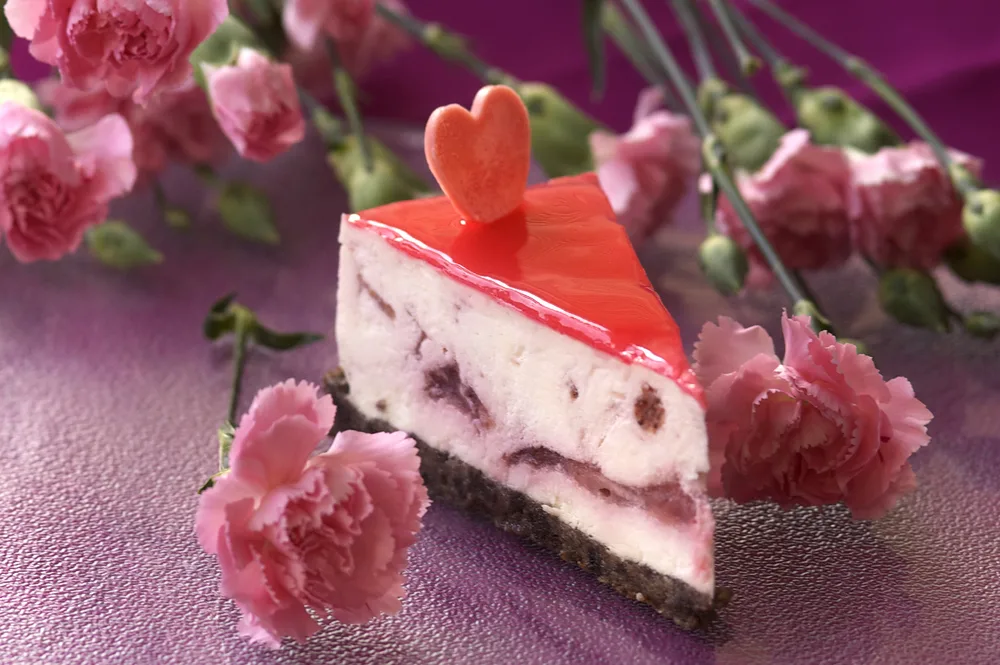
Carnations taste a little peppery, or somewhat like cloves. They can be used in savoury salads like many of the above options, but also in sweet desserts. One great recipe calls for carnations to make a delicious cheesecake, for example.
10. Sunflowers
You may be familiar with the fact that you can eat a sunflower’s seeds.
But you may not be aware that you can also eat the petals, and the unopened flower buds can be steamed in the same way as an artichoke.
11. Cornflowers
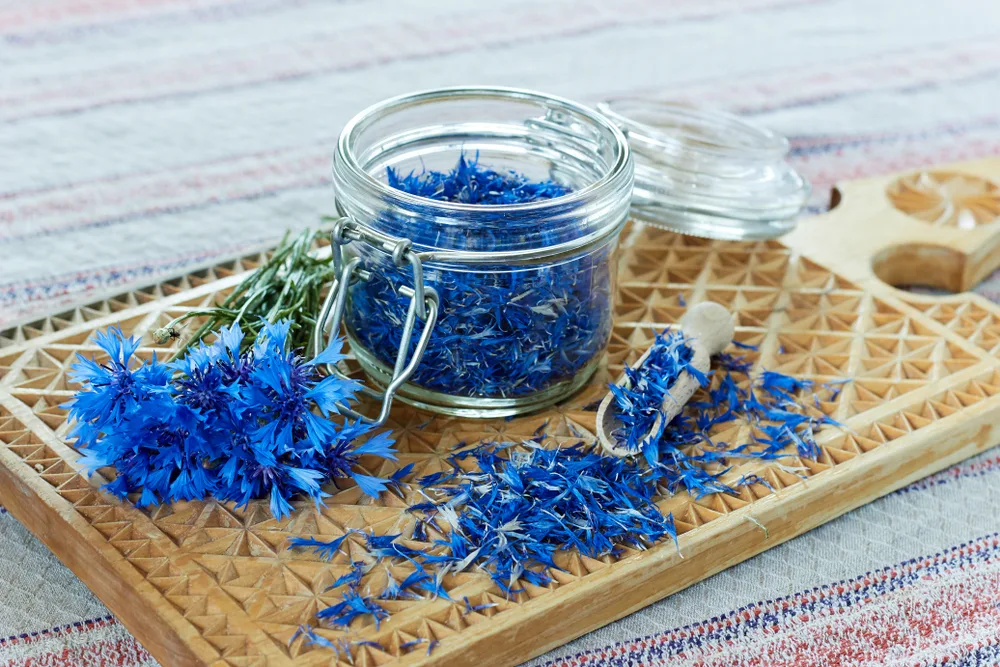
Cornflowers have a slightly sweet and spicy clove-like taste. They also crystallize well and so can also be used candied, like violets, for cupcake toppers or the like.
Edible Flowers From Fruits & Vegetables:
Another place to look for edible flowers in your garden is in your vegetable patch. We might primarily grow these crops for another part of the plant – but their flowers can also taste great.
Eating these flowers can increase the yield from your kitchen garden a little, and help you make sure that you make the most of everything you grow:
12. Pea Flowers
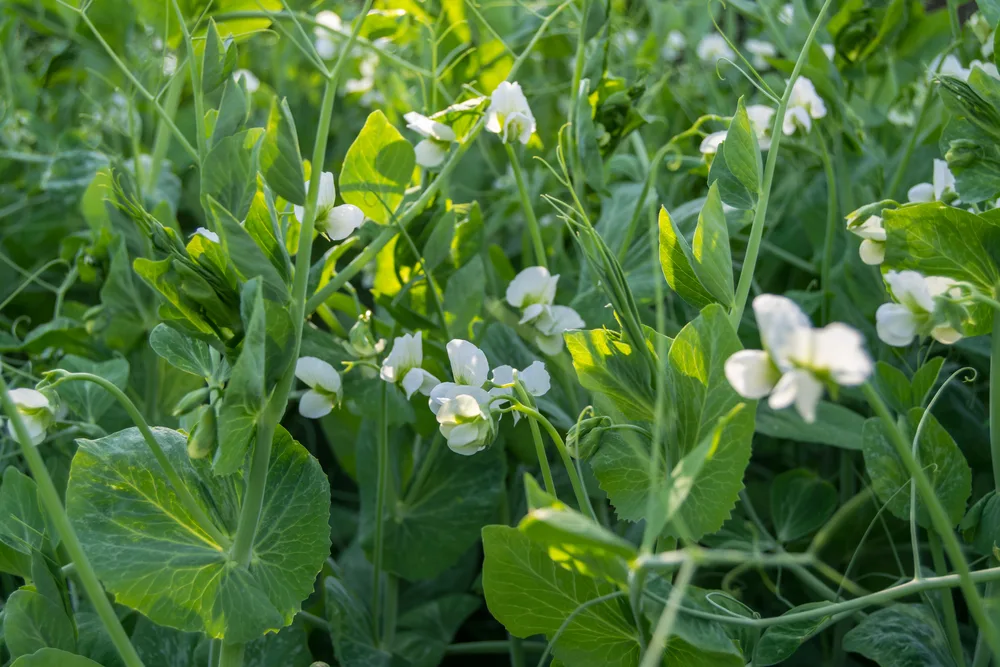
If you can spare a few flowers (rather than letting them become pea pods) then these can make a dainty, delicious addition to a salad.
Like the peas, pods and shoots, the flowers on pea plants have a mild pea flavour.
Broad Bean Flowers
Broad bean flowers could also be sacrificed in order to add a little delicacy and a mild bean flavour to salads or sandwiches.
13. Onion/ Chive Flowers
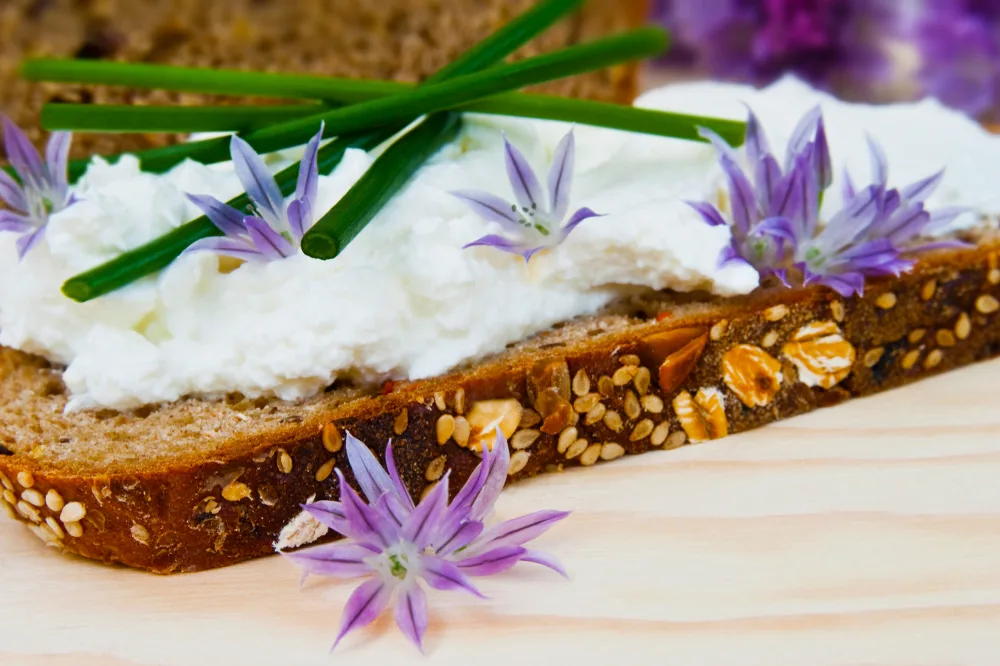
Though alliums are primarily grown for their bulbs or stems, the flowers of onions, chives and other members of this family are also delicious – with a mild flavour that works well (often alongside the other parts of the plants) in a range of recipes.
14. Pak Choi Flowers
The flowering shoots of pak choi and many other Asian greens can also be a delicious addition to stir fries and salads.
15. Squash Flowers
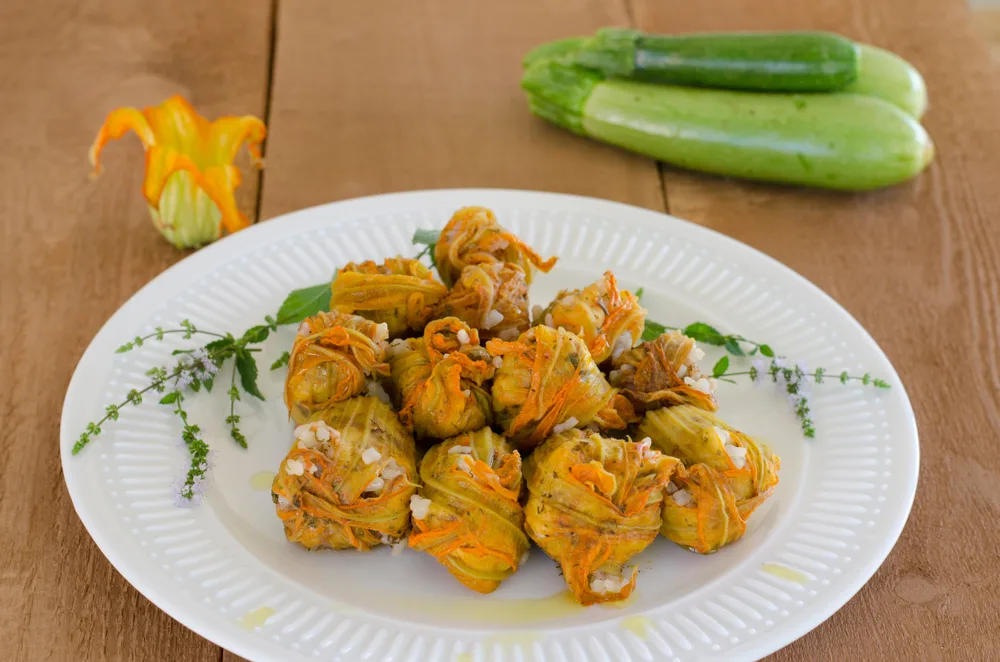
The male flowers that you remove from your squash after pollination can also serve as a secondary yield from these plants.
Squash flowers are a delicacy which can be stuffed to create a range of delicious canapés and meals.
In addition to considering the flowers on fruits and vegetables in your kitchen garden, you might also consider eating edible flowers found on fruiting trees or shrubs.
One of the most common examples of edible blossom is the elderflower, which can be used in a wide range of drinks and dishes. For example, it is often used to make elderflower cordial, or elderflower ‘champagne’.
Cherry blossom is another example of an edible flower on a fruiting tree. It is often an ingredient in Japanese cuisine.
The blossoms are sometimes pickled in salt and vinegar, and used in traditional confectioneries.
The blossom from fruit trees (in moderation) are also sometimes all eaten, though they are most usually simply used as garnish or decoration.
Remember…Do your research first before eating flowers from trees and any plants!!!
For more information…
Visit: https://gardeningsolutions.ifas.ufl.edu/plants/ornamentals/edible-flowers.html
❤️Debie Lee
 ॐDebie Lee's🪷Healthy Living Mindfulness ॐ